
Overview
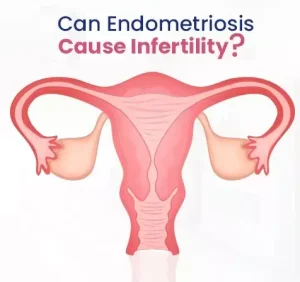
Diagnosis
Infertility diagnosis begins with a detailed review of sexual habits, medical history and overall reproductive health. In some couples, no identifiable cause is found, referred to as unexplained infertility. Testing can be uncomfortable or costly, and results do not guarantee a pregnancy even after treatment.
Testing for men focuses on sperm production, quality and the ability to deliver sperm effectively. Common evaluations include:
-
Semen analysis to check sperm count, movement and shape
-
Hormone testing to measure testosterone and other hormones
-
Genetic testing to detect inherited conditions linked to infertility
-
Testicular biopsy when needed to check for blockages or collect sperm for assisted reproductive techniques
-
Imaging tests such as ultrasound or MRI to look for structural problems
-
Rarely, specialized sperm quality tests such as DNA assessment
Testing for women focuses on ovulation, egg quality and whether the reproductive tract allows fertilization and implantation. Evaluations may include:
-
Ovulation testing through blood hormone levels
-
Thyroid function testing when thyroid issues are suspected
-
Hysterosalpingography to check the uterus and fallopian tubes for blockages
-
Ovarian reserve testing to estimate the number of available eggs
-
Additional hormone tests that regulate ovulation
-
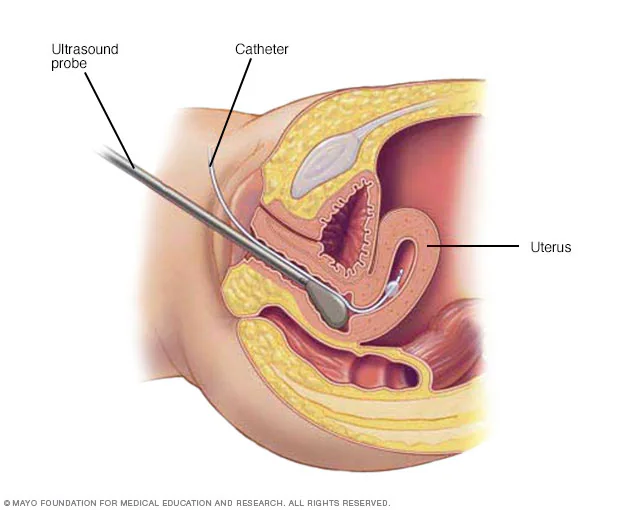
Pelvic ultrasound or saline infusion sonogram for detailed views of the uterus
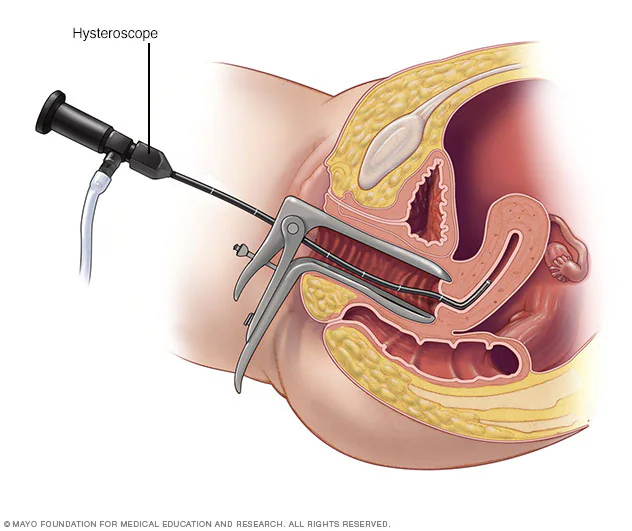
Less common tests include hysteroscopy to view the uterus and laparoscopy to check the ovaries, fallopian tubes and surrounding structures. Not everyone needs extensive testing; your health care team helps decide which tests are appropriate.
Treatment
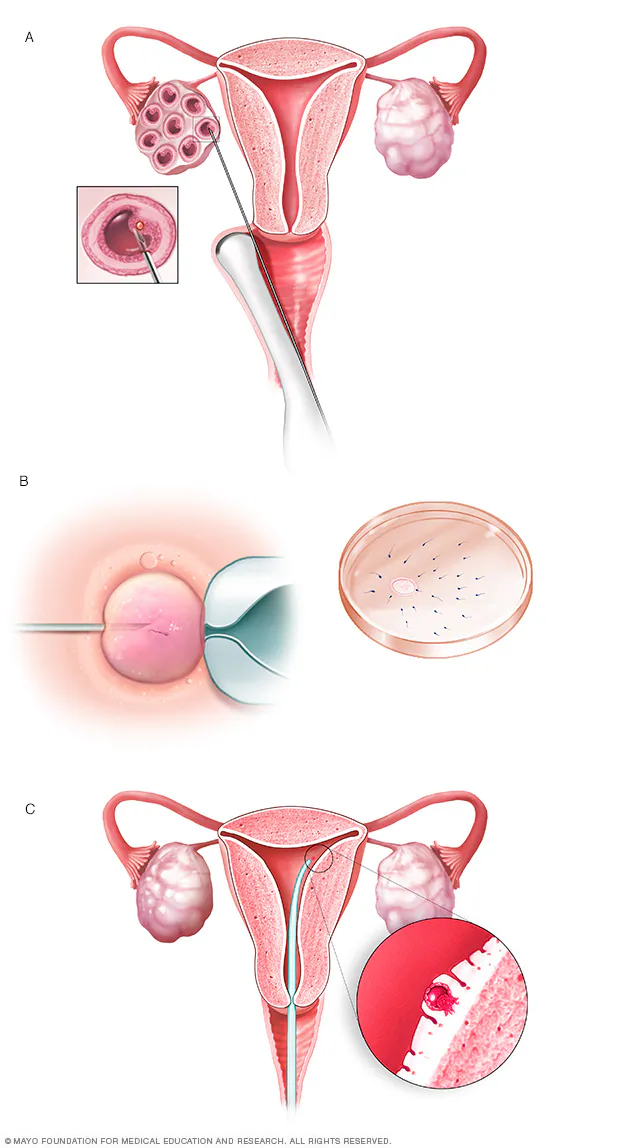
Infertility treatment depends on factors such as the cause, how long infertility has lasted, age and personal preferences. Some conditions cannot be fully corrected, but many couples can still achieve pregnancy with medical support.
Treatment for men may include:
-
Lifestyle changes such as improved timing of sex, regular exercise and reducing alcohol or tobacco use
-
Medicines to improve sperm production
-
Surgery to correct blockages or repair varicoceles
-
Sperm retrieval methods when ejaculation is not possible or sperm counts are low
Treatment for women may include:
-
Fertility medicines to trigger or regulate ovulation
-
Intrauterine insemination, where healthy sperm are placed directly in the uterus
-
Surgery to treat conditions such as fibroids, polyps, endometriosis or pelvic adhesions
Advertisement
