
Overview
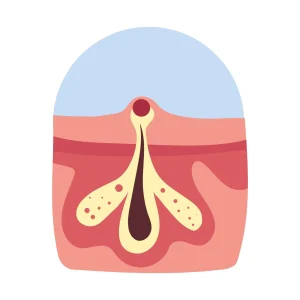
Acne is a common skin condition that develops when hair follicles become clogged with oil and dead skin cells. This blockage can lead to whiteheads, blackheads, or pimples. Acne is most often associated with teenagers, but it can affect people of all ages.
Although effective treatments are available, acne can be persistent. Individual pimples may heal slowly, and new breakouts often appear as others begin to clear. Depending on how severe it is, acne can cause emotional distress and may leave lasting scars on the skin.
Starting treatment early can help reduce the risk of scarring and long-term skin changes. With proper care, many people are able to manage acne successfully and improve the appearance of their skin.
Symptoms
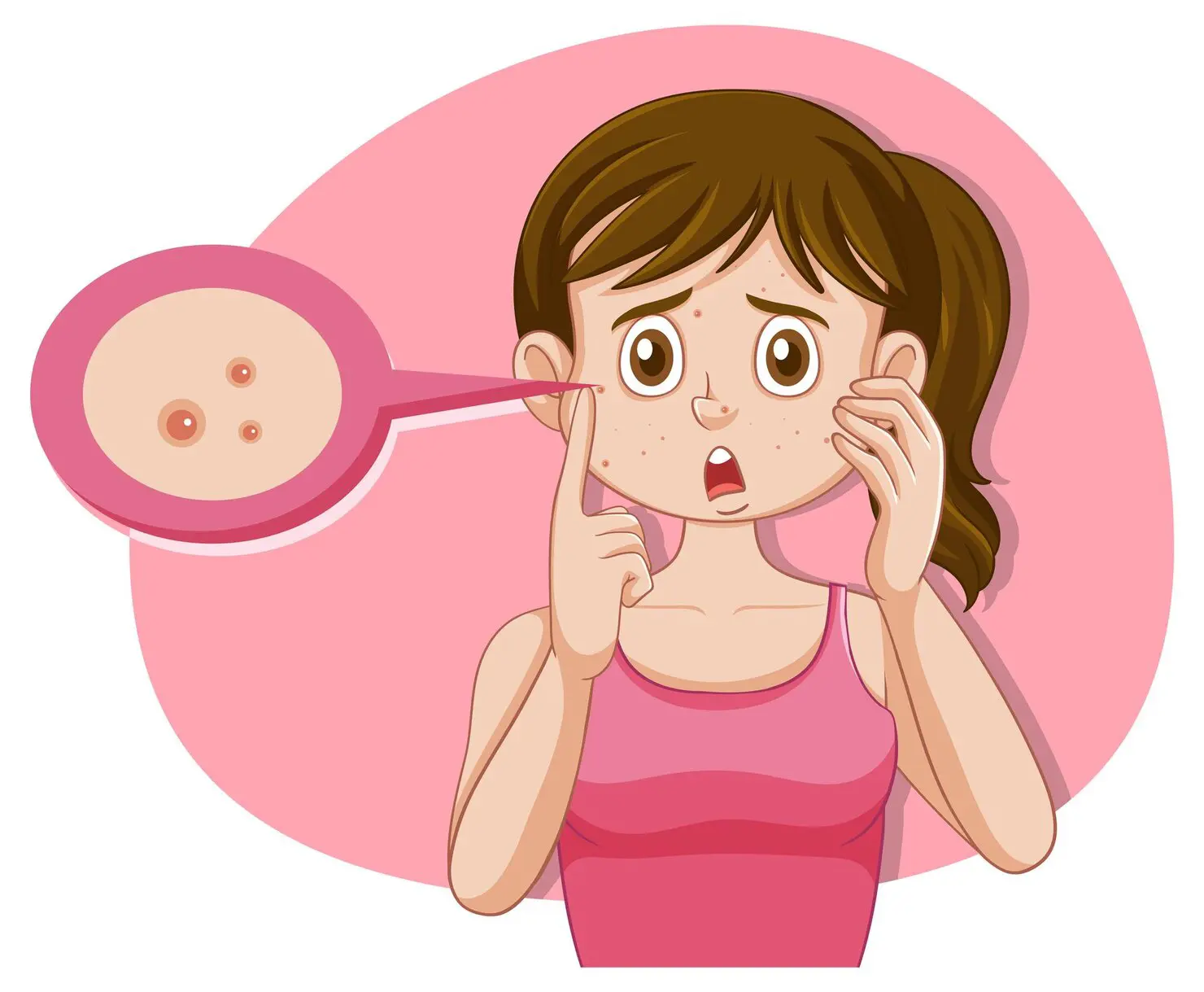
The signs and symptoms of acne vary based on its severity and type. Acne commonly appears on areas of the body with a high number of oil glands, such as the face, forehead, chest, upper back, and shoulders.
Common acne symptoms include:
-
Whiteheads, which are closed, plugged pores
-
Blackheads, which are open, clogged pores that darken when exposed to air
-
Small red and tender bumps called papules
-
Pimples, also known as pustules, which contain pus at their tips
-
Large, solid, painful lumps beneath the skin known as nodules
-
Painful, pus-filled lumps under the skin called cystic lesions
In some cases, acne may be mild and limited to occasional breakouts. In more severe cases, it can be painful, widespread, and difficult to control without medical treatment.
Causes
Acne develops as a result of changes within the hair follicles and oil glands of the skin. Four main factors contribute to the formation of acne:
-
Excess production of oil, also called sebum
-
Hair follicles becoming clogged with oil and dead skin cells
-
Growth of bacteria within the clogged follicles
-
Inflammation of the surrounding skin
When oil and dead skin cells block a hair follicle, the follicle may bulge and form a whitehead. If the clog opens to the surface, it may darken and form a blackhead. Pimples develop when blocked follicles become inflamed or infected with bacteria, leading to redness and pus formation.
Certain factors can trigger or worsen acne. Hormonal changes during puberty increase androgen levels, which cause oil glands to enlarge and produce more sebum. Hormonal shifts during pregnancy or midlife, particularly in women, can also lead to breakouts. Some medications, including corticosteroids, testosterone, and lithium, may contribute to acne. Diets high in carbohydrate-rich foods may worsen acne in some people, though more research is needed. Stress does not directly cause acne, but it can make existing acne worse.
Some commonly believed causes have little effect on acne. Eating chocolate or greasy foods has minimal impact. Acne is not caused by poor hygiene, and harsh scrubbing can actually irritate the skin and worsen breakouts. Most cosmetics do not aggravate acne if they are oil-free and removed properly.
Risk factors
Several factors can increase the likelihood of developing acne:
-
Age, with teenagers being the most commonly affected group
-
Hormonal changes during puberty, pregnancy, or adulthood
-
A family history of acne, indicating a genetic influence
-
Contact with greasy or oily substances, such as lotions or workplace oils
-
Friction or pressure on the skin from items like helmets, tight collars, backpacks, or phones
These factors can increase oil production or irritation of the skin, making acne more likely to develop or worsen.
Complications
Acne can lead to lasting skin changes, especially if it is severe or left untreated. People with darker skin tones are more likely to experience certain complications.
Possible complications include:
-
Permanent scarring, such as pitted scars or thick, raised scars called keloids
-
Skin color changes after healing, including darkened areas known as hyperpigmentation or lighter patches called hypopigmentation
These complications can persist long after acne has cleared, which is why early and appropriate treatment is important to protect both skin health and appearance.
Advertisement
