
Overview
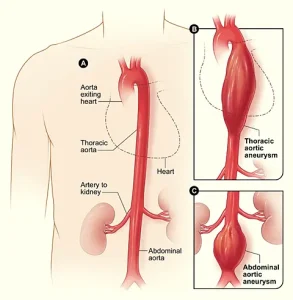
An aneurysm is an abnormal bulge or ballooning in the wall of a blood vessel. It can develop in any blood vessel, but it most commonly occurs in arteries. Aneurysms often form where the blood vessel wall is weakened, allowing pressure from blood flow to cause the vessel to widen.
Many aneurysms develop slowly and may not cause symptoms, especially when they are small. However, an aneurysm can become dangerous if it grows large or ruptures. A ruptured aneurysm can cause life-threatening internal bleeding and requires immediate medical attention.
Aneurysms are most often found in the brain, aorta, legs and spleen. Treatment depends on the size, location and risk of rupture and may include monitoring, medication or surgery.
Symptoms
Many aneurysms cause no symptoms and are discovered during tests done for other conditions. When symptoms do occur, they depend on the location and size of the aneurysm.
Possible symptoms of an unruptured aneurysm may include:
-
Pain or pressure near the affected area
-
A pulsating sensation, especially in the abdomen
-
Nerve-related symptoms such as vision changes or numbness, depending on location
Symptoms of a ruptured aneurysm may include:
-
Sudden, severe pain
-
Rapid heart rate
-
Dizziness or fainting
-
Nausea or vomiting
-
Loss of consciousness
A ruptured brain aneurysm may cause a sudden, severe headache often described as the worst headache of one’s life, along with confusion, stiff neck or sensitivity to light.
Causes
Aneurysms develop when blood vessel walls become weakened. In some cases, this weakness is present at birth. In others, it develops over time due to damage to the blood vessels.
Common causes include long-term high blood pressure, which places constant stress on artery walls, and atherosclerosis, a condition in which fatty deposits build up in the arteries. Injury, infection and certain inherited conditions can also weaken blood vessel walls.
In some people, the exact cause of an aneurysm is not known.
Risk factors
Several factors can increase the risk of developing an aneurysm.
Increasing age raises risk, as blood vessels naturally weaken over time. Smoking is one of the strongest risk factors, as it damages blood vessels and increases blood pressure.
High blood pressure increases stress on artery walls, making aneurysms more likely to form and rupture. A family history of aneurysms increases risk, particularly for brain aneurysms.
Other risk factors include certain genetic conditions that affect connective tissue, hardening of the arteries, infections, and trauma to blood vessels. Men are more likely than women to develop certain types of aneurysms, such as abdominal aortic aneurysms.
Complications
The most serious complication of an aneurysm is rupture. A ruptured aneurysm can cause severe internal bleeding, shock and death if not treated immediately.
Even without rupture, a growing aneurysm can press on nearby nerves or organs, leading to pain or loss of function. Blood clots can form within an aneurysm, potentially blocking blood flow or breaking off and traveling to other parts of the body, causing serious complications such as stroke.
Recovery after rupture or surgical treatment can be prolonged and may involve long-term disability, depending on the aneurysm’s location and severity.
Prevention
Not all aneurysms can be prevented, but certain steps may reduce the risk.
Managing blood pressure through a healthy diet, regular exercise and prescribed medications can help protect blood vessels. Avoiding tobacco use is one of the most important preventive measures, as smoking significantly increases aneurysm risk.
Maintaining healthy cholesterol levels, managing diabetes and reducing excess body weight may also support blood vessel health. People with a family history of aneurysms or other risk factors may benefit from regular medical checkups and imaging tests as advised by a healthcare professional.
Early detection and proper monitoring can help prevent serious complications and improve outcomes.
Advertisement
