
Overview
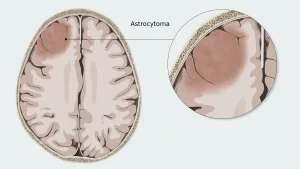
Astrocytoma is a type of brain tumor or spinal cord tumor that begins in astrocytes. Astrocytes are star-shaped cells that support nerve cells and help keep the brain and spinal cord functioning properly. Astrocytoma is part of a broader group of tumors called gliomas, which develop from glial cells that support and protect nerve cells.
Astrocytomas can vary widely in how they behave. Some tumors grow slowly and are considered less aggressive, while others grow rapidly and spread into nearby brain tissue. The behavior of an astrocytoma depends on its grade, location, size and molecular features. Doctors often test tumor genes and molecular markers to better understand how the tumor may behave and to help guide treatment decisions.
Astrocytomas are graded from 1 to 4 based on how abnormal the cells look under a microscope and how fast they are likely to grow. Grade 1 tumors are the least aggressive, while grade 4 tumors, also known as glioblastomas, are the most aggressive and fastest growing. Lower-grade astrocytomas generally have a better prognosis than higher-grade tumors.
Symptoms depend largely on where the tumor develops. Brain astrocytomas may cause headaches, seizures, nausea, vision problems or changes in mood, personality or behavior. Astrocytomas in the spinal cord may cause weakness, numbness or difficulty moving the arms or legs. Treatment and outlook depend on multiple factors, including tumor grade, molecular features and how much of the tumor can be safely removed.
Symptoms
Astrocytoma symptoms often begin gradually and may be mild at first. As the tumor grows, symptoms may change or worsen due to irritation of nearby brain tissue or increased pressure within the brain or spinal canal.
Low-grade astrocytomas can grow for a long time before causing noticeable symptoms. High-grade astrocytomas tend to cause symptoms earlier because they grow more quickly.
Early symptoms of astrocytoma may include:
-
New seizures, which are often an early sign in slow-growing tumors
-
Subtle changes in thinking, memory or mood
-
Mild or occasional headaches
-
Difficulty finding the right words
-
Vision changes
-
Clumsiness or weakness on one side of the body
-
Gradually worsening neck or back pain
-
Tingling or numbness that travels into an arm or leg
As the tumor grows, later symptoms may include:
-
Headaches that worsen over time, especially in the morning or with coughing or straining
-
Nausea and vomiting related to increased pressure in the brain
-
Increasing weakness
-
Speech or vision problems
-
Changes in memory, thinking or concentration
-
Worsening balance and coordination
-
Bowel or bladder changes
Symptoms may also vary depending on tumor location.
Astrocytoma symptoms by location include:
Back and lower part of the brain:
-
Trouble with balance and coordination
-
Headache, nausea and vomiting due to increased pressure
Brainstem:
-
Double vision or abnormal eye movements
-
Facial weakness or numbness
-
Difficulty speaking or swallowing
-
Problems with walking and balance
-
Weakness
Spinal cord:
-
Back or neck pain that slowly worsens
-
Pain spreading into an arm or leg
-
Numbness and tingling
-
Weakness
-
Poor balance or frequent falls
-
Later bowel or bladder changes
Swelling around the tumor, called peritumoral edema, can worsen symptoms or cause new symptoms to appear. This swelling increases pressure inside the skull and can irritate nearby brain pathways. Short courses of steroid medications may be used to reduce swelling and relieve symptoms. Edema is more common in high-grade astrocytomas and can contribute to symptoms even when the tumor itself is relatively small.
Children with pilocytic astrocytoma often develop symptoms slowly over weeks or months. Common symptoms in children include morning headaches, balance problems, nausea or vomiting, vision changes and behavioral or school performance changes. In adults, astrocytomas more often cause seizures, speech difficulties or changes in thinking or personality early in the disease.
Causes
The exact cause of astrocytoma is often unknown. Astrocytoma develops when astrocytes in the brain or spinal cord undergo changes in their DNA that disrupt normal cell growth and division. DNA contains instructions that tell cells when to grow, divide and die. In healthy cells, these processes are tightly controlled.
In astrocytoma cells, DNA changes called mutations alter these instructions. As a result, the cells begin to divide when they should not and live longer than normal. Over time, these abnormal cells accumulate and form a tumor. As the tumor grows, it can press on or invade nearby brain or spinal cord tissue.
Certain genetic changes within tumor cells are known to drive astrocytoma growth. These changes are usually acquired during a person’s lifetime and are not inherited.
Common genetic and molecular changes seen in astrocytomas include:
-
IDH1 and IDH2 mutations, which affect how tumor cells produce and use energy and are common in many lower-grade astrocytomas
-
TP53 and ATRX mutations, which affect DNA repair and cell growth control
-
MGMT gene silencing, which affects DNA repair and may influence how well chemotherapy works
-
BRAF gene changes, which are commonly found in pilocytic astrocytomas in children
Pilocytic astrocytomas often develop when growth signals inside the cell remain switched on, causing slow growth in a localized area. High-grade astrocytomas typically develop after multiple harmful DNA changes accumulate, leading to faster growth and invasion into surrounding brain tissue.
Risk factors
Several factors may increase the risk of developing astrocytoma, although many people with astrocytoma have no known risk factors.
Astrocytoma risk factors include:
-
Previous exposure to high-dose ionizing radiation to the head or neck, especially during childhood
-
Increasing age, particularly for high-grade astrocytomas, which are more common after age 40
-
Certain inherited genetic conditions, such as neurofibromatosis type 1, Lynch syndrome, Turcot syndrome and tuberous sclerosis
There is no proven link between astrocytoma and lifestyle factors such as diet, physical activity or smoking. Environmental exposures, including chemical exposure or cellphone use, have not been shown to cause astrocytoma. Most cases occur without a clear external trigger.
Complications
Astrocytomas can lead to complications caused by the tumor itself or by treatments used to manage the disease. The type and severity of complications vary depending on tumor location, grade and treatment approach.
Possible complications include:
-
Neurological problems such as seizures, headaches, weakness, speech difficulties or problems with walking
-
Tumor recurrence, particularly in high-grade astrocytomas or when complete surgical removal is not possible
-
Treatment-related side effects from surgery, radiation or chemotherapy, including fatigue, nausea, headaches, seizures and changes in memory or thinking
-
Damage to healthy brain tissue, which may affect cognitive function or quality of life
Healthcare teams work closely with patients to monitor for complications, manage symptoms and provide supportive care throughout treatment and recovery.
Prevention
There is no known way to prevent astrocytoma. Most astrocytomas develop due to spontaneous genetic changes within cells that cannot be predicted or avoided. Avoiding unnecessary exposure to high-dose radiation, especially during childhood, may reduce risk, but this applies mainly to medical radiation used to treat other cancers. Regular medical care and early evaluation of new or worsening neurological symptoms may help with earlier diagnosis and treatment.
Advertisement
