
Overview
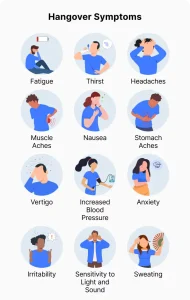
A hangover is a collection of unpleasant physical and mental symptoms that occur after consuming excessive amounts of alcohol. It typically develops as blood alcohol levels return to zero and can affect overall well-being, daily functioning, and productivity. Hangovers vary in severity depending on the amount of alcohol consumed, individual tolerance, hydration status, and general health.
Symptoms
Hangover symptoms usually begin several hours after drinking and may last up to 24 hours or longer. Common symptoms include:
-
Headache
-
Fatigue and weakness
-
Thirst and dry mouth
-
Nausea, vomiting, or stomach discomfort
-
Dizziness or lightheadedness
-
Sensitivity to light and sound
-
Muscle aches
-
Difficulty concentrating or memory problems
-
Irritability, anxiety, or low mood
Causes
Hangovers result from multiple effects of alcohol on the body rather than a single cause. Contributing factors include:
-
Dehydration due to alcohol’s diuretic effect
-
Electrolyte imbalances
-
Low blood sugar levels
-
Inflammation caused by alcohol metabolites
-
Gastrointestinal irritation
-
Sleep disruption
-
Toxic byproducts of alcohol breakdown, such as acetaldehyde
Risk Factors
Certain factors can increase the likelihood or severity of hangovers, including:
-
Drinking large amounts of alcohol
-
Consuming alcohol on an empty stomach
-
Drinking beverages high in congeners, such as dark liquors
-
Poor sleep during or after drinking
-
Dehydration
-
Low tolerance to alcohol
-
Female sex, due to differences in alcohol metabolism
Complications
While hangovers are usually temporary, repeated episodes may contribute to health and lifestyle issues, such as:
-
Reduced work or academic performance
-
Increased risk of accidents or injuries
-
Worsening of anxiety or mood disorders
-
Stomach inflammation or ulcers with frequent heavy drinking
-
Development of unhealthy drinking patterns
Prevention
Hangovers can often be reduced or avoided by practicing responsible alcohol consumption. Preventive measures include:
-
Limiting alcohol intake
-
Drinking water before, during, and after alcohol consumption
-
Eating a balanced meal before drinking
-
Avoiding mixing multiple types of alcoholic beverages
-
Choosing drinks with lower congener content
-
Getting adequate sleep
-
Avoiding alcohol altogether if sensitive to its effects
Moderation and awareness of personal limits are the most effective ways to prevent hangovers and protect overall health.
Advertisement
