
Overview
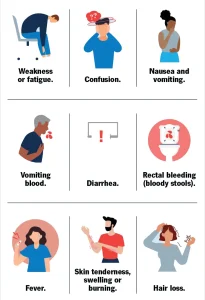
Radiation sickness, also known as acute radiation syndrome, is a serious condition caused by exposure to high levels of ionizing radiation over a short period of time. It typically occurs after accidental exposure, radiation therapy errors, or nuclear incidents. The severity of radiation sickness depends on the dose of radiation absorbed, the duration of exposure, and the parts of the body affected. The condition primarily damages rapidly dividing cells in the bone marrow, gastrointestinal tract, and skin.
Radiation Sickness Symptoms
Symptoms of radiation sickness may appear within hours to days after exposure and progress through distinct phases.
-
Nausea and vomiting
-
Diarrhea
-
Loss of appetite
-
Fatigue and weakness
-
Headache and dizziness
-
Fever
-
Skin redness, burns, or hair loss
-
Reduced white blood cell count leading to frequent infections
-
Internal bleeding in severe cases
Radiation Sickness Causes
Radiation sickness occurs when the body absorbs a large amount of ionizing radiation in a short time.
-
Accidental exposure in industrial or medical settings
-
Errors during radiation therapy
-
Nuclear power plant accidents
-
Detonation of nuclear weapons
-
Exposure during radiological emergencies
Radiation Sickness Risk Factors
Certain factors influence the likelihood and severity of radiation sickness.
-
High-dose radiation exposure
-
Lack of protective shielding
-
Prolonged or close proximity to a radiation source
-
Younger or older age groups
-
Poor overall health or weakened immune system
-
Delayed medical treatment after exposure
Radiation Sickness Complications
Severe radiation sickness can result in life-threatening complications.
-
Bone marrow failure leading to anemia and infections
-
Severe dehydration from vomiting and diarrhea
-
Gastrointestinal bleeding
-
Organ failure
-
Infertility
-
Increased long-term risk of cancer
-
Death in extreme cases
Radiation Sickness Prevention
Preventive measures focus on reducing radiation exposure and ensuring rapid response after exposure.
-
Adhering to radiation safety guidelines in medical and industrial settings
-
Using protective equipment and shielding
-
Limiting time spent near radiation sources
-
Following emergency protocols during nuclear or radiological incidents
-
Immediate medical evaluation after suspected exposure
-
Monitoring radiation doses in high-risk occupations
-
Public education on radiation safety and emergency preparedness
Radiation sickness is a medical emergency, and prompt diagnosis and supportive care are essential to improve survival and reduce long-term health effects.
Advertisement
