
Overview
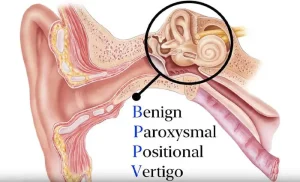
Benign paroxysmal positional vertigo, commonly known as BPPV, is a disorder of the inner ear that causes brief episodes of dizziness or a spinning sensation. These episodes are triggered by specific changes in head position, such as turning over in bed, looking up, or bending down. BPPV occurs when tiny calcium crystals in the inner ear become dislodged and move into the semicircular canals, where they interfere with normal balance signals.
BPPV is one of the most common causes of vertigo. Although the symptoms can be unsettling, the condition is not life-threatening and is often treatable with simple physical maneuvers.
Symptoms
Symptoms of BPPV are usually short-lived and occur with changes in head position.
Common symptoms include:
-
Sudden spinning sensation or vertigo
-
Dizziness when rolling over in bed
-
Lightheadedness or imbalance
-
Nausea or vomiting
-
Abnormal eye movements during vertigo episodes
-
Difficulty maintaining balance for a short time after an episode
Symptoms typically last seconds to minutes and may recur over days or weeks.
Causes
BPPV develops when calcium carbonate crystals, known as otoconia, shift from their normal location in the inner ear into the semicircular canals. This disrupts the inner ear’s ability to sense head movement accurately.
Possible causes include:
-
Head injury or trauma
-
Inner ear infections or inflammation
-
Age-related degeneration of the inner ear
-
Prolonged bed rest or immobility
-
Idiopathic causes, where no clear trigger is identified
In many cases, no specific cause can be determined.
Risk factors
Certain factors increase the likelihood of developing BPPV.
Risk factors include:
-
Older age
-
Previous head injury
-
History of inner ear disorders
-
Prolonged periods of immobility
-
Migraine disorders
BPPV can occur in people of any age but is more common in older adults.
Complications
BPPV itself is not dangerous, but it can lead to complications if symptoms are not managed.
Possible complications include:
-
Increased risk of falls and related injuries
-
Anxiety or fear of movement
-
Reduced quality of life due to recurring dizziness
-
Difficulty performing daily activities
Timely treatment can significantly reduce the risk of these complications.
Prevention
There is no guaranteed way to prevent BPPV, but certain measures may help reduce recurrence.
Helpful prevention strategies include:
-
Avoiding sudden or extreme head movements when possible
-
Using caution when getting out of bed or changing positions
-
Managing underlying conditions such as migraines
-
Following prescribed repositioning exercises if recommended
-
Seeking medical evaluation after head injuries
With proper diagnosis and treatment, most people with BPPV experience significant symptom relief.
Advertisement
